
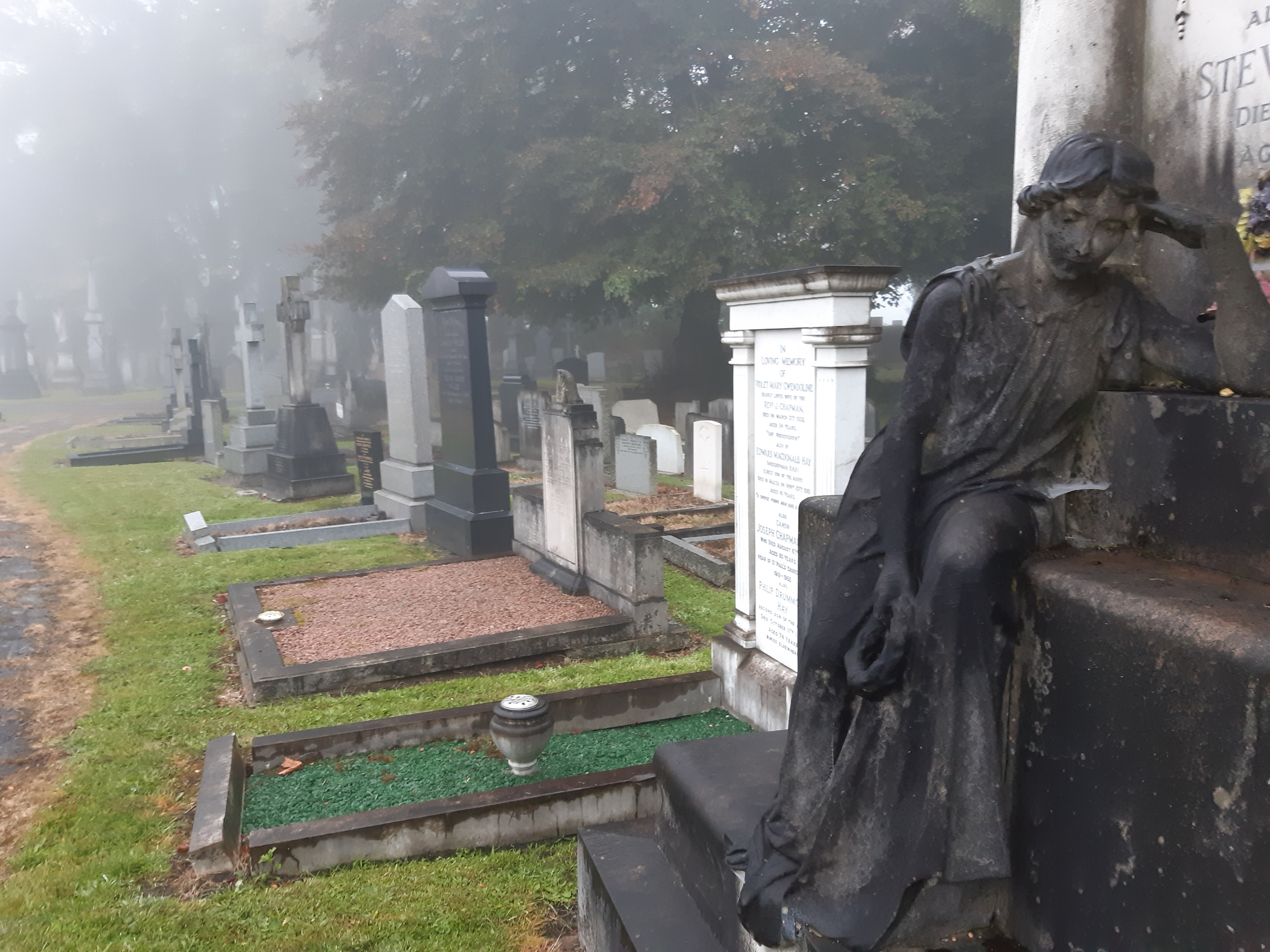
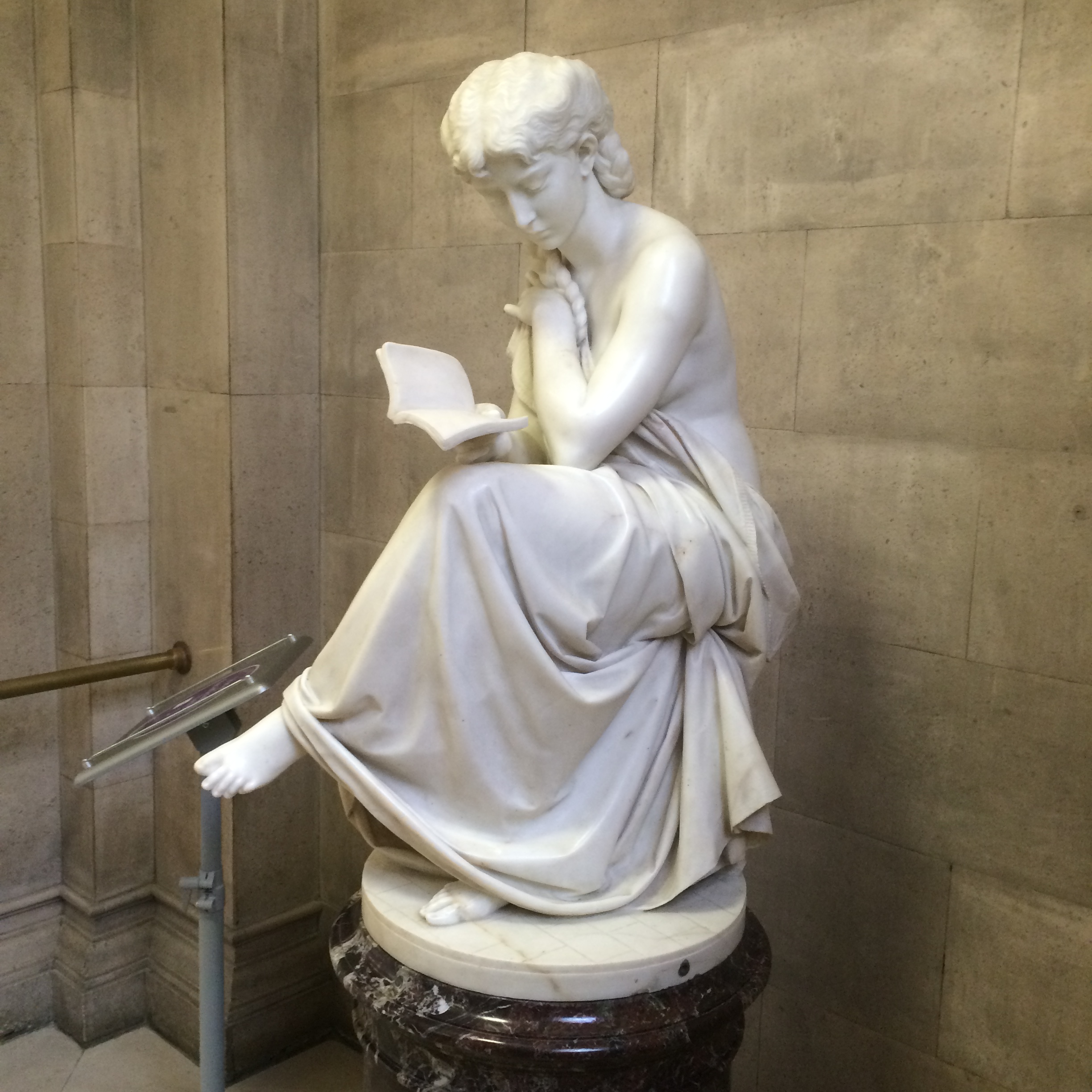
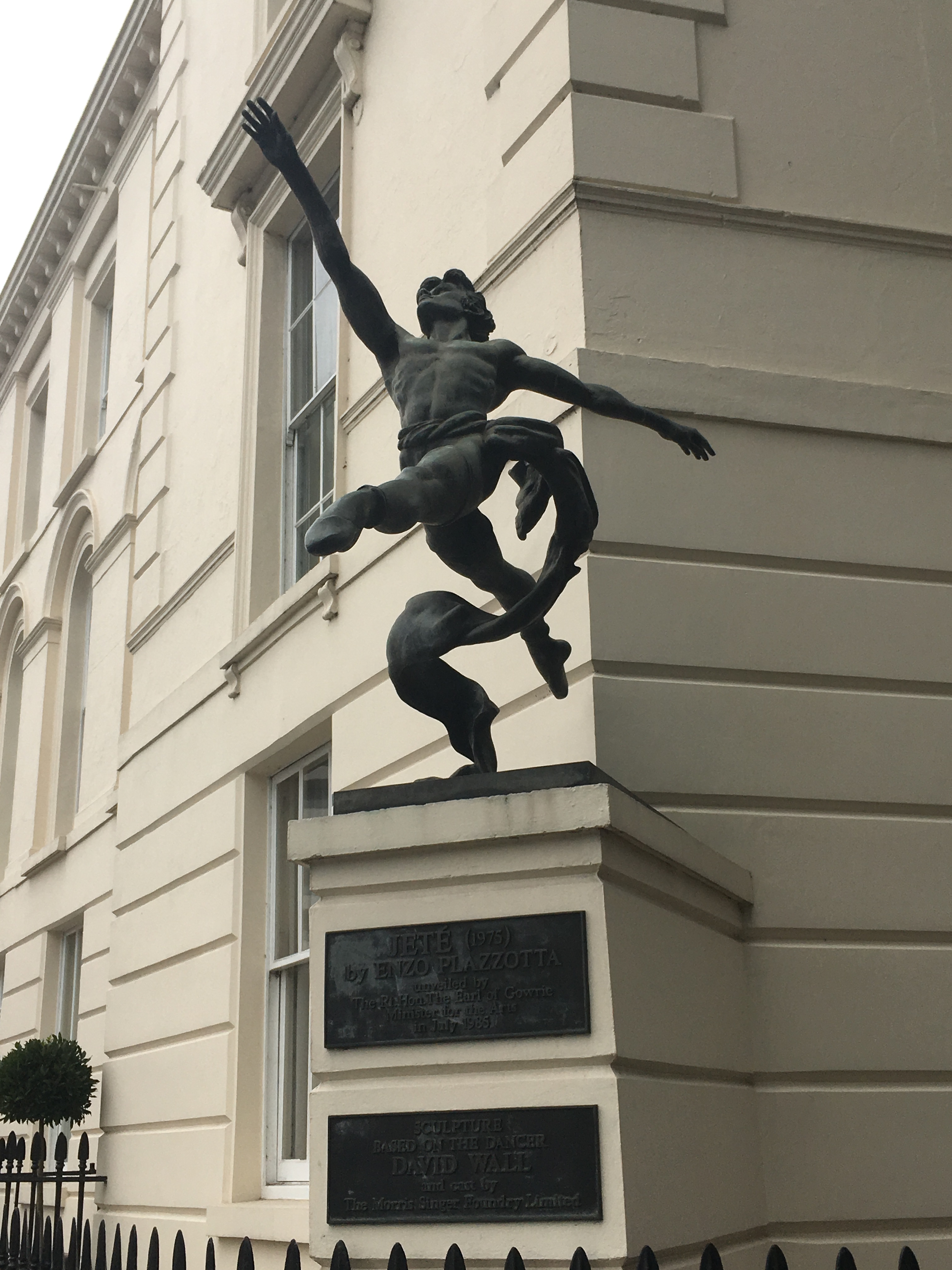
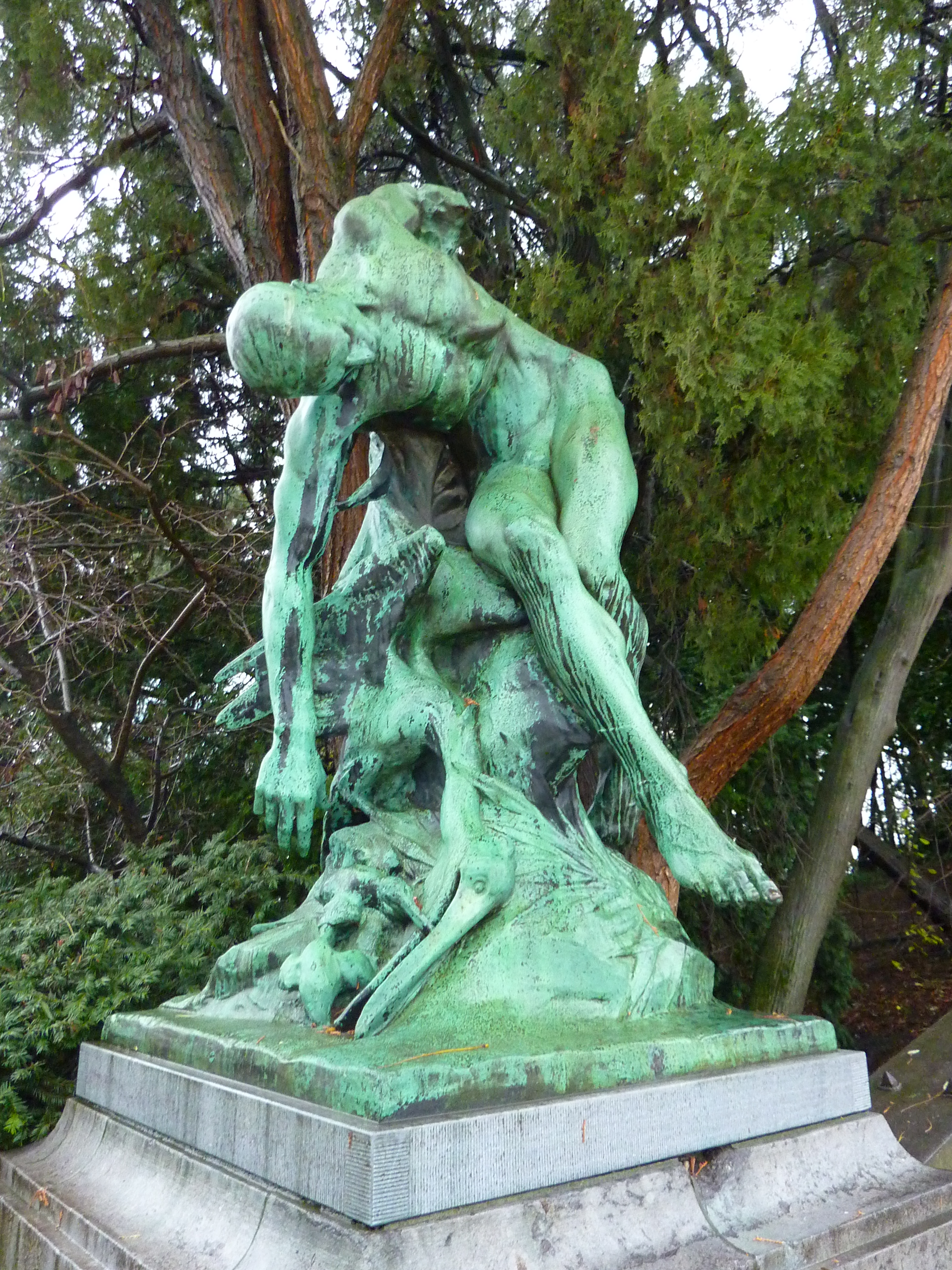
While drawing the figure, it is important to identify the dynamic of the pose or movement to give a still image movement and interest. I noticed this phenomenon when drawing statues, whether it is the pose itself, the clothing, or both. These can be seen in a few statues I took photos of in London and Manchester. Clockwise from the top left: dynamic of both pose and clothing, similar in the girl reading, the acrobatic movement of the dance and the body position of what looks like a slaughtered warlock at the bottom!
This was apparent in 3D statues, but it would be interesting to see how different artists represented movement on a 2D surface.
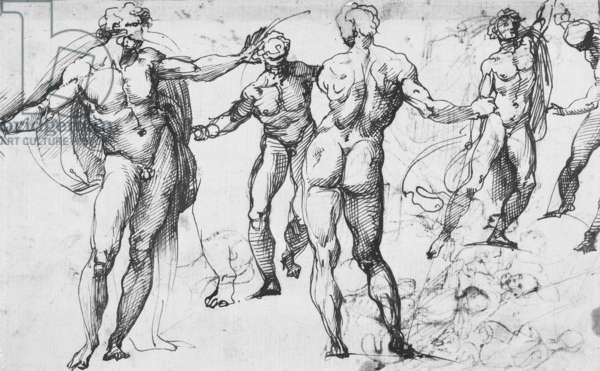
A pencil sketch by Carracci is a great example of dynamic movement in a group, not only the figures themselves, but the movement between the figures, almost creating a wave moving from left to right.
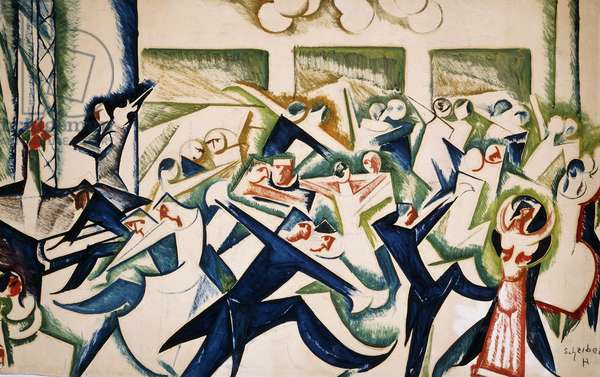
Below are two radically different takes on movement. (2) ‘Dancers; The Tango’, by Hugo shows a whole crowd of dancers, using lines, sharp angles and vivid colours to not only capture the movement, but also the atmosphere and vibe of the scene.
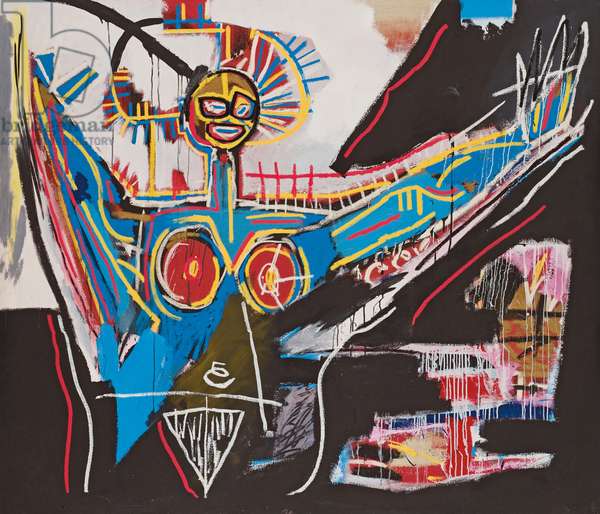
In (3) ‘Mater’ by artist JM Basquiat he also uses shocking almost electric lines of brilliant colour to also convey the emotion of the piece as well as the movement of the body position in a less conventional aesthetic way, but intended to dominate and intimidate the viewer.
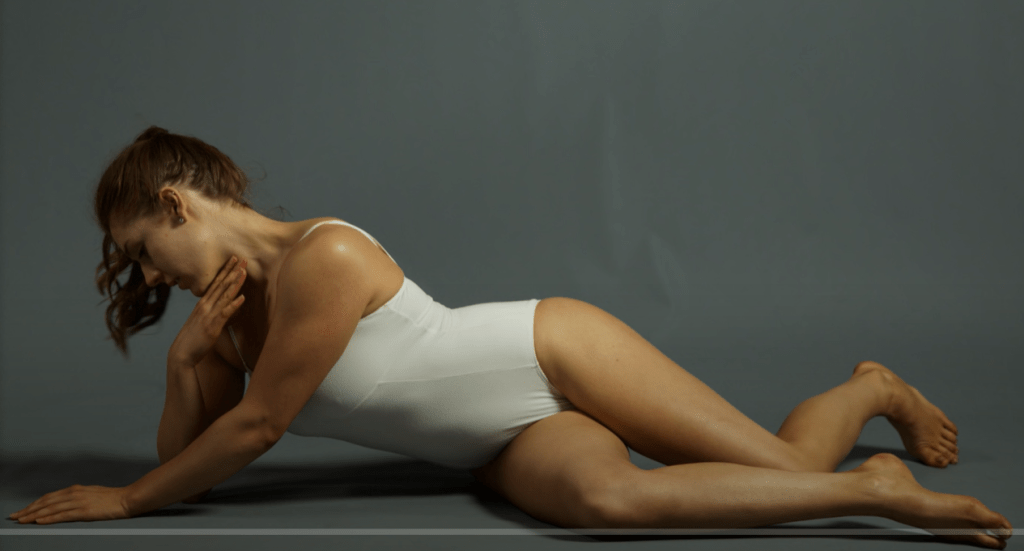
For the project I was asked to put my model into a ‘dynamic pose’. Lifting an arm or twisting the hips etc to create a flow through the position that I could pick up in the drawing. Not worrying about detail so much, but concentrating more on the energy of the model.
Unfortunately because of lockdown I didn’t have access to a model so used a reference still life from a great source on youtube called New Masters Academy: https://www.youtube.com/watch?v=rWbeelH9eCA&t=608s
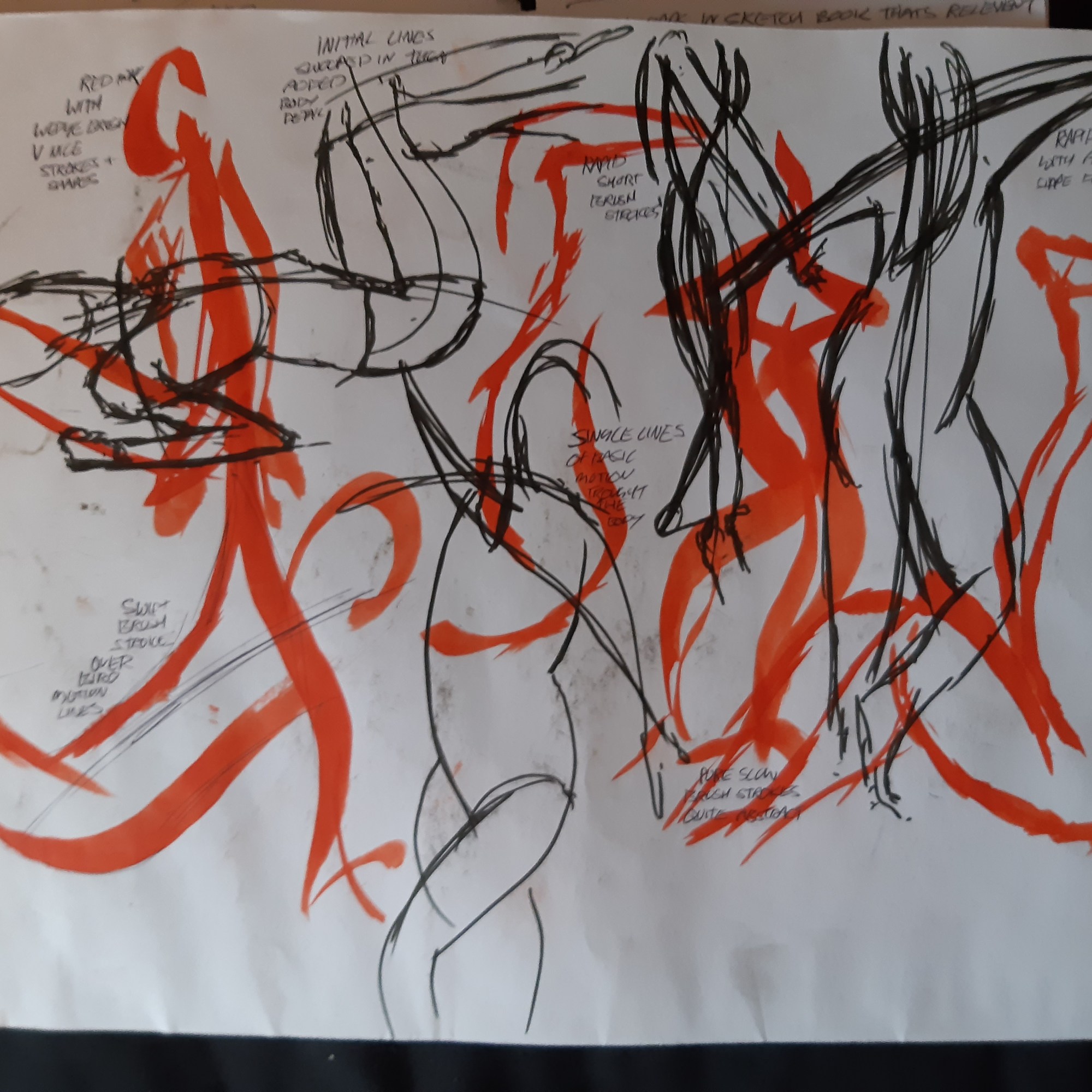
First I did some random poses to get the flow of the human figure so I could move quicker and more fluid. Experimenting with black and sanguine conte with water wash, red ink with wedge brush and black ink brush pen I was able to get some interesting results. The water worked with the conte to give a more fleeting movement. Red ink was expressive and rather abstract, and the brush pen was more accurate but not so expressive.
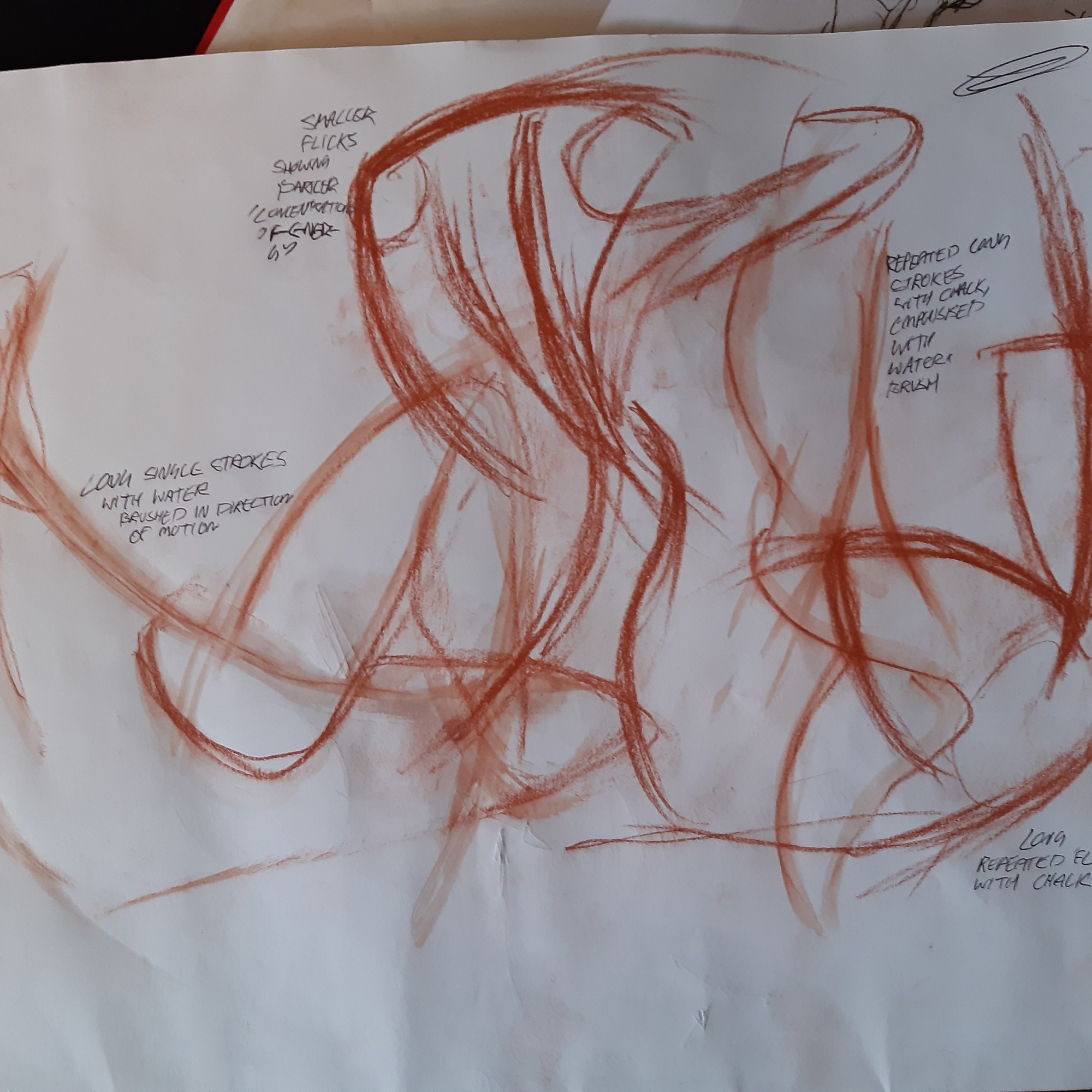
I then mapped out the pose I was going to use which was a lying figure from the link above using sanguine and water.

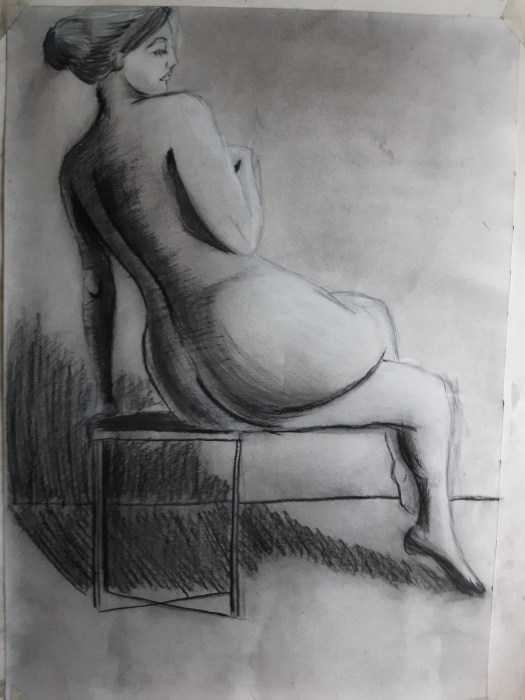
I chose two poses from the model above and used a sanguine conte to express the movement, or energy lines running through the pose. With water and a brush I exaggerated these lines to give it a natural flow, then filled in the lines of the model with a black conte to give it shape and form.


I think this worked relatively well, using the water to express the flow of the pose, giving it a sweeping motion to an otherwise still pose.
References.
(1), (2), (3) all from web: https://www.bridgemanimages.co.uk/en/search?filter_text=dynamic%20poses&filter_group=all&filter_region=GBR&sort=most_popular
(1) ‘Study of Nudes’ Caraccia A. Pen and ink on paper. Royal Collection Trust.
(2) ‘Dancers; The Tango’ Hugo S. Gouache and oil on paper. 42×67.5cm. Private collection.
(3) ‘Mater’ Basquiat JM. (1982). Acrylic and oilstick on canvas. 182.8×213.3cm.
(4) Youtube reference from the New Masters Academy: https://www.youtube.com/watch?v=rWbeelH9eCA&t=608s
 Eeyanski Arts